Air Freight ·
Air cargo destination airports: Plan for delivery, not landing
Do not choose a destination airport based solely on flight times or cargo volume. Compare options based on cargo release from the terminal and the consignee’s receiving schedule.
Avemes Editorial
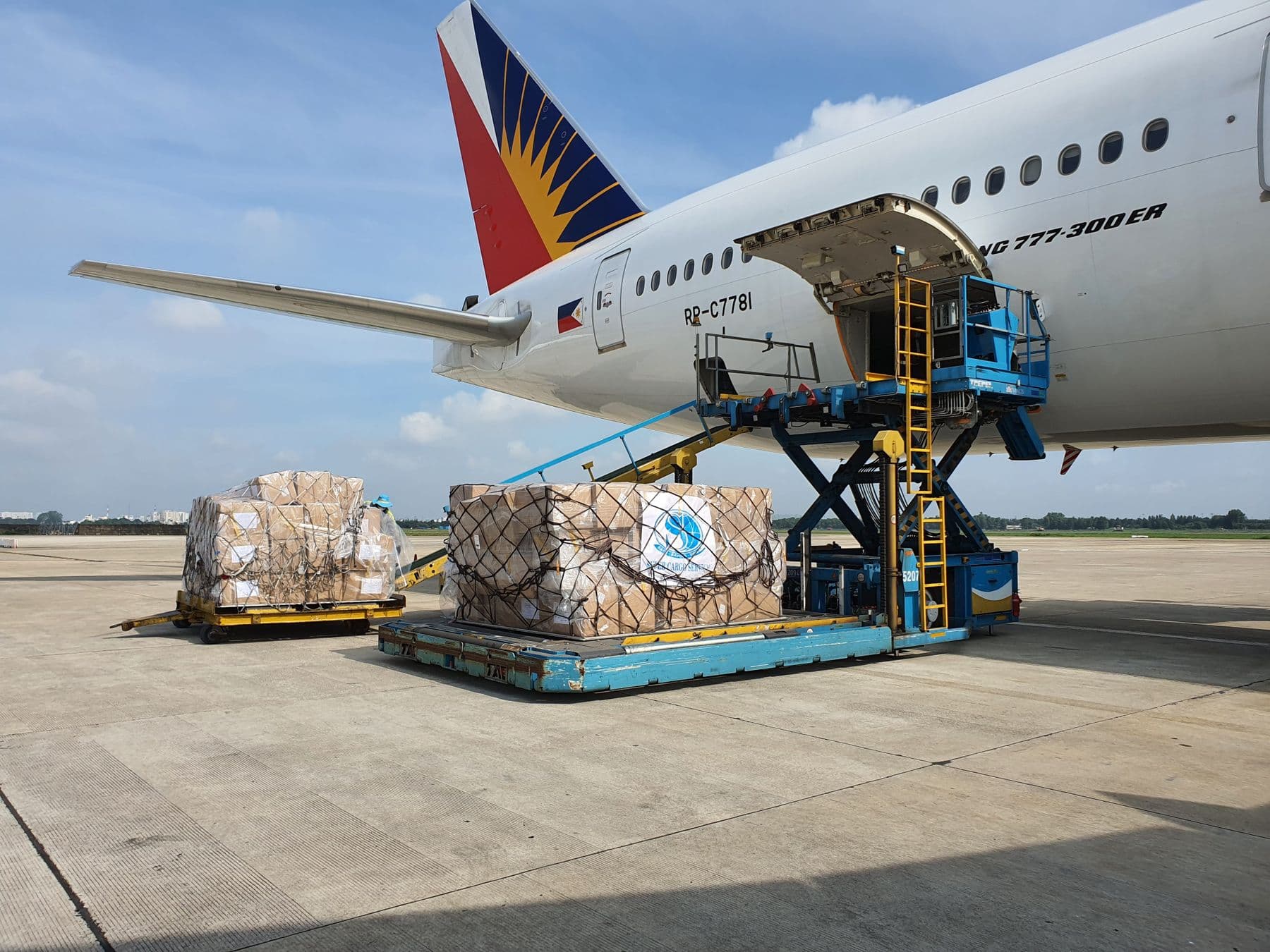
Which airport will get the cargo to the consignee sooner?
For an air cargo shipment to Europe, frame the decision this way: Not where the aircraft lands earlier, but through which airport the cargo can be delivered at a time the consignee can accept it. Start comparing quotes with this goal in mind; request the flight arrival time, expected terminal release time and final delivery appointment in separate fields.
Eurostat’s air freight statistics examine airports in terms of freight and mail loaded and unloaded. The exclusion of direct transit freight from this measurement means its scope must be read carefully. Therefore, do not use an airport’s total cargo volume as an indicator of how quickly your shipment will be released from the terminal. Source: Eurostat, air freight statistics.
Use volume data to build a shortlist
Eurostat’s dataset on freight and mail between airports and partner countries offers selections such as reporting airport, partner country, period and traffic measure. This structure helps you investigate the relevant geographical connection rather than looking only at country totals. Source: Eurostat, avia_gooac.
However, do not conclude from this data that a booking can be made on a particular flight. Assess the dataset’s historical traffic measurements separately from current capacity and acceptance confirmation for your shipment. This distinction is a planning conclusion drawn from the scope of the statistics; the dataset is not a booking platform. Source: Eurostat, avia_gooac.
After creating a shortlist, request quotes for each candidate using the same shipment details. Keep the packed dimensions, weight, stacking restrictions, special handling requirements and delivery address unchanged. This prevents the airport selection process from becoming a comparison of prices prepared using different assumptions.
Ask for terminal release conditions in writing
Your comparison table should cover more than flights and freight rates. Request answers to the following questions for each option:
- Are the terminal where the cargo can be collected and the party handling the procedures identified?
- Which stages must be completed after landing before the cargo is available for collection?
- What information is required from the shipper and consignee for document checks?
- What operating hours and appointment requirements apply to terminal collection?
- Have special handling requirements been confirmed for the specific shipment?
Eurostat’s measurement of loading and unloading does not measure completed delivery to the consignee. Therefore, obtain answers about terminal release from the parties carrying out the shipment, not from the statistical table. Source: Eurostat, air freight statistics.
Make the final transport leg part of the same quote
Have a separate delivery plan prepared for each airport, extending all the way to the consignee’s address. Clearly state where and under what conditions the vehicle will collect the cargo, who will arrange the delivery appointment and the consignee’s receiving hours. If weekend or out-of-hours operations are required, confirm their feasibility separately.
We recommend including terminal services, the final transport leg, potential waiting time and redelivery charges in the price comparison. Do not present unconfirmed costs as firm amounts; mark them as assumptions or conditional items. Evaluating air freight services within this scope helps you distinguish a quote covering transport only as far as the airport from a door-delivery plan.
Record the basis for the decision on a critical shipment
For a Time Critical part, add a brief decision note alongside each candidate: Which conditions have been verified, which are pending and which uncertainty could affect the delivery target? Even if the flight option looks suitable, leave terminal collection or consignee acceptance clearly flagged as a risk if it remains unconfirmed.
Eurostat’s country and airport breakdowns provide a starting point for research; on their own, they do not identify the fastest destination for a particular shipment. This assessment is based on the traffic scope of the data. Source: Eurostat, avia_gooac.
Rather than automatically choosing the airport with the highest volume, base the final decision on the plan with the most clearly verified responsibilities and conditions through to the delivery target. Do not turn unconfirmed timelines into commitments.
Sources
Analysis and translations: Avemes Editorial. Source institutions are not responsible for this analysis or its translations.
- Air freight transport statistics — Eurostat; n.d.; 2024. CC BY 4.0
- Freight and mail air transport between main airports and partner reporting countries — Eurostat; n.d.; n/a. Eurostat — Reuse policy