Multimodal Transport ·
How to check equipment and terminal compatibility in container transport
Keeping the same container throughout a route depends on its acceptance by every carrier and terminal. Review what to check before requesting a quote.
Avemes Editorial
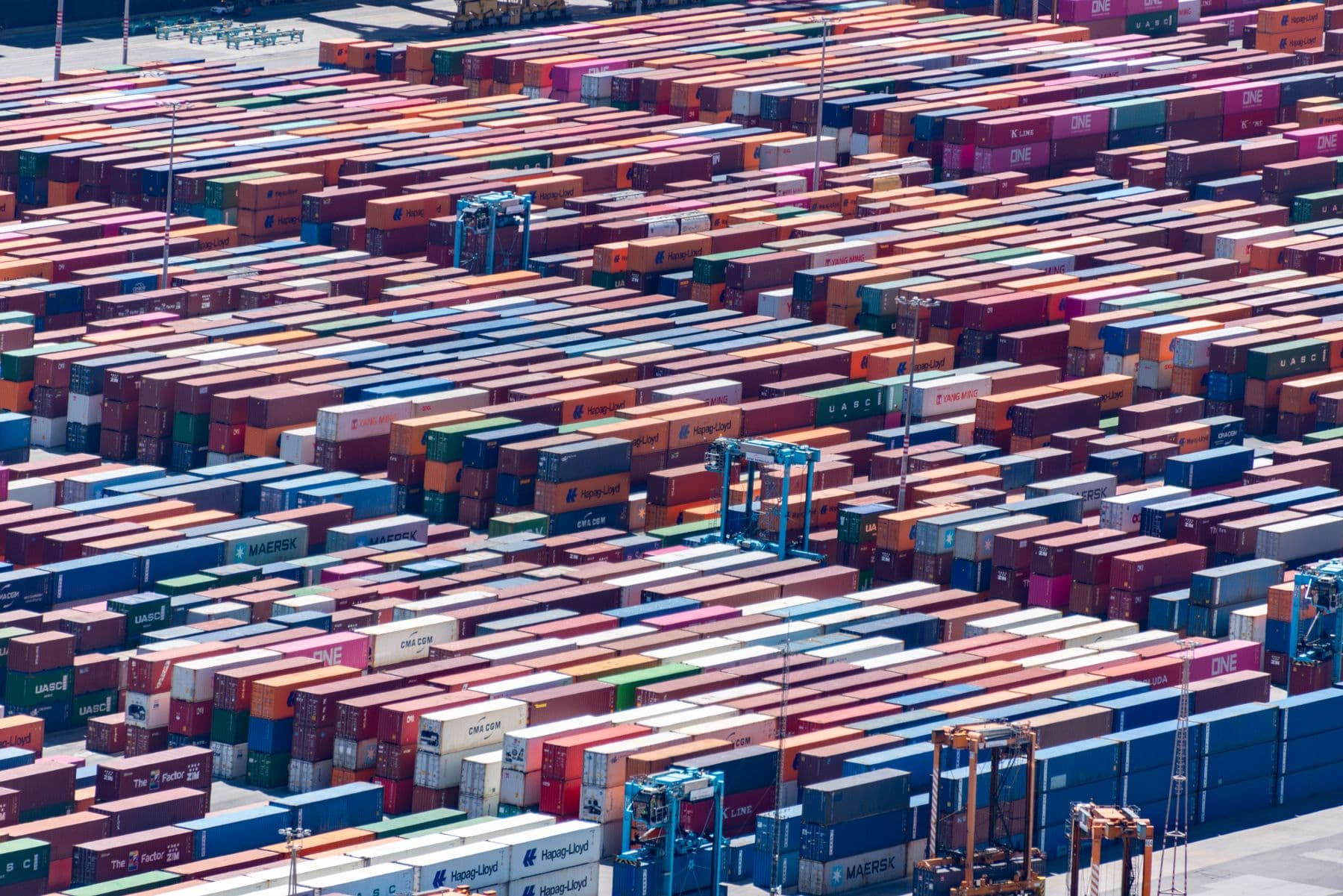
One question affecting the plan for a container shipment is whether the same equipment can be used from the origin warehouse through to the consignee. When requesting transport quotes, assessing the equipment accepted for each leg, terminal handling and the empty container return location together makes it easier to understand what work each quote covers.
Distinguish modal share from container use share
Eurostat’s modal split statistics examine the distribution of freight transport performance across different transport modes in tonne-kilometres. Eurostat’s containerisation statistics, by contrast, focus on the share of containerised freight within the relevant transport mode. The share of the same transport mode in these two statistics answers different questions. When evaluating a corridor, use these data for general context and directly confirm acceptance of equipment suitable for your own shipment.
Specify the container type and terminal together in the quote request
Send the same equipment description to the carrier and the transshipment terminal. The container type, external dimensions, total gross weight and any special handling requirements allow the team to assess the same cargo. Do not limit the check to the loading and destination points; also list every intermediate point where acceptance of the required capacity is expected. The quote should also show who will supply the equipment and where and under what conditions the empty container will be returned.
Compare quotes with the same end-to-end scope
For example, if a container is to be collected at an intermediate terminal, one quote may include road delivery while another may require the consignee to arrange that step. Ask the carrier to show the delivery location, the work at the intermediate terminal and the empty return step as separate line items. If an equipment change is required on a leg, confirm in writing where the cargo will be transferred, who will carry out the work and how much time will be added to the delivery plan. This information helps compare both the initial price and any additional work that may arise when equipment changes.
Sources
Analysis and translations: Avemes Editorial. Source institutions are not responsible for this analysis or its translations.
- Freight transported in containers – statistics on unitisation — Eurostat; n.d.; 2014–2024. CC BY 4.0
- Freight transport statistics – modal split — Eurostat; n.d.; 2014–2024. CC BY 4.0