Railway Cargo Transportation
Alternative Transportation Solutions that Provide Cost Advantage, Continuity and Predictability over Long Distances
Alternative Transportation Solutions that Provide Cost Advantage, Continuity and Predictability over Long Distances
Railway cargo transportation is a strategic transportation mode that offers cost, capacity and sustainability advantages, especially over long distances. Railway, which is a strong alternative to sea and road transportation in global supply chains, stands out with its stable transit times and high volume carrying capacity when planned correctly. Avemes Logistics does not consider rail transportation as a stand-alone transportation mode; positions it as a strong component of the multimodal chain. Aim; To make your supply chain more durable by creating the right transportation combination for your cargo.

Long distance international transportations
High volume and heavy loads
Regular and plannable shipments
Operations aimed at cost optimization
Chains where reducing carbon footprint is a priority
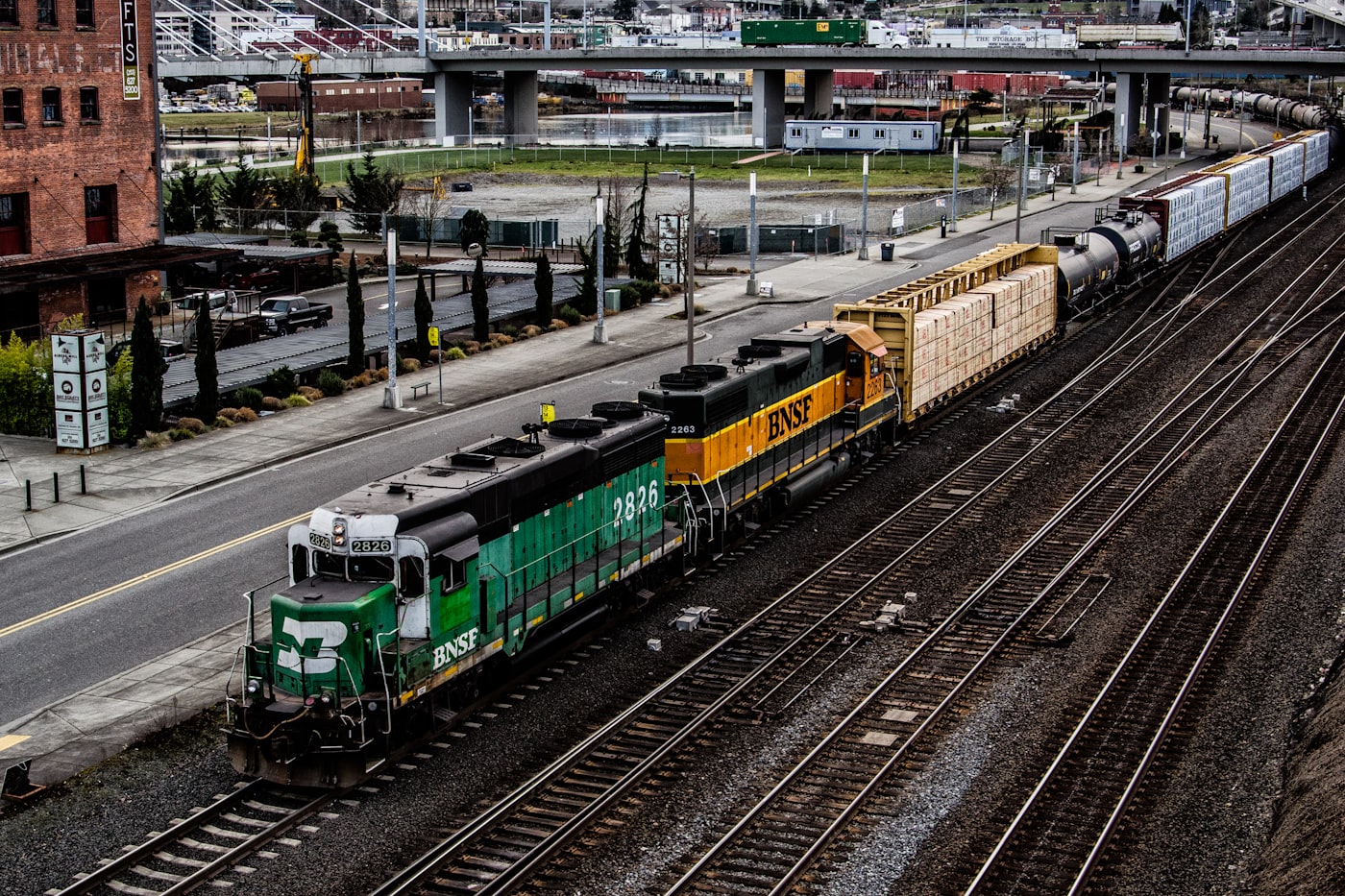
Avemes' Rail Cargo Transportation Approach
Rail shipments are planned by assessing the route, terminals, equipment and road connections together. Cargo acceptance conditions and onward transport needs at destination are clarified at the outset.
- Appropriate line and terminal selection
- Wagon and equipment planning according to load type
- Minimizing transfer points
- Creating alternative route scenarios
- Continuous monitoring and reporting throughout the operation
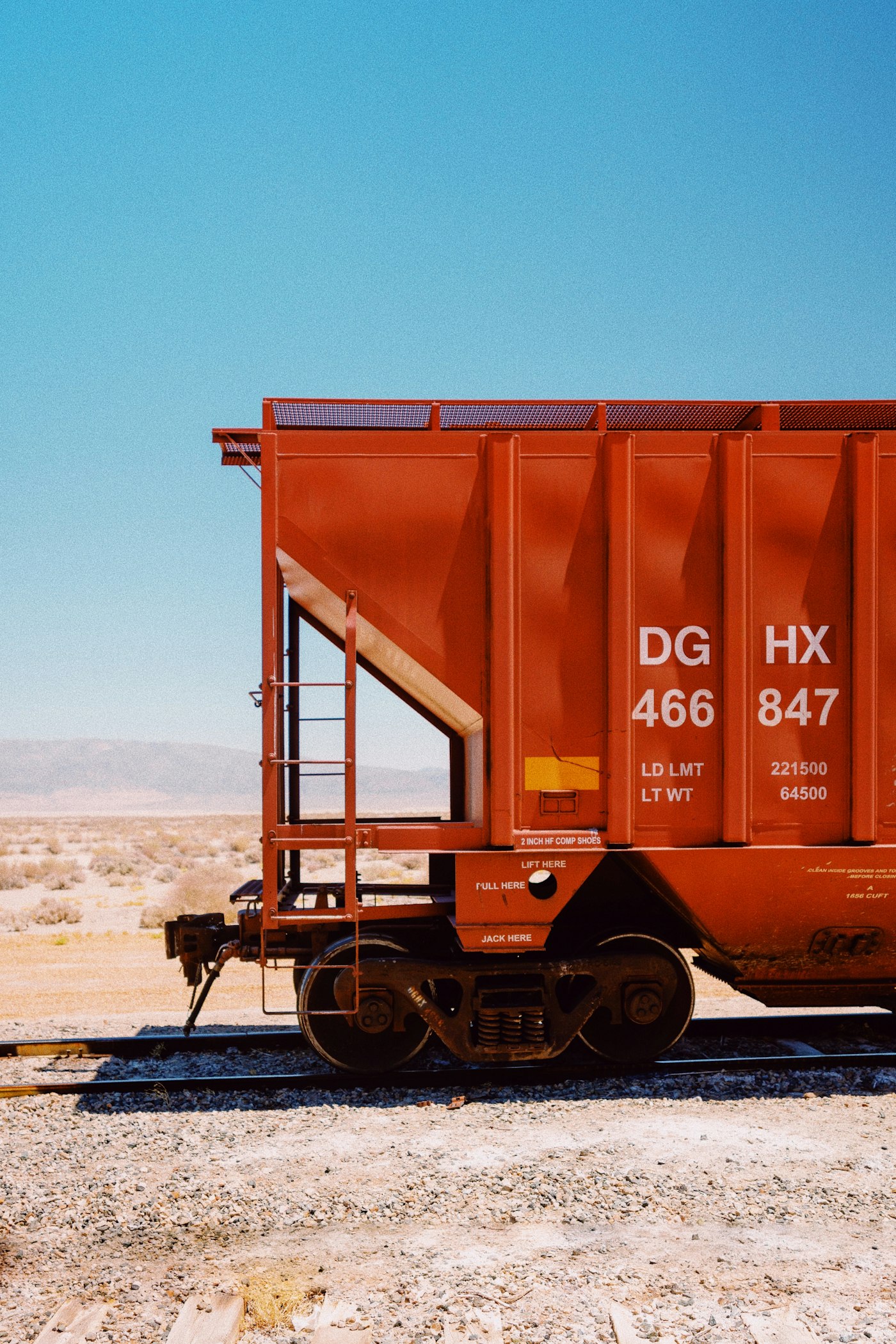
International Railway Transportation
International corridors are assessed based on service schedules, terminal connections, equipment and available capacity. The shipment plan is developed using confirmations from the relevant operators and terminals.
- Intra-European rail transportation
- Türkiye–Europe connections
- Central Corridor and Asian lines
- Port-inland terminal transportation
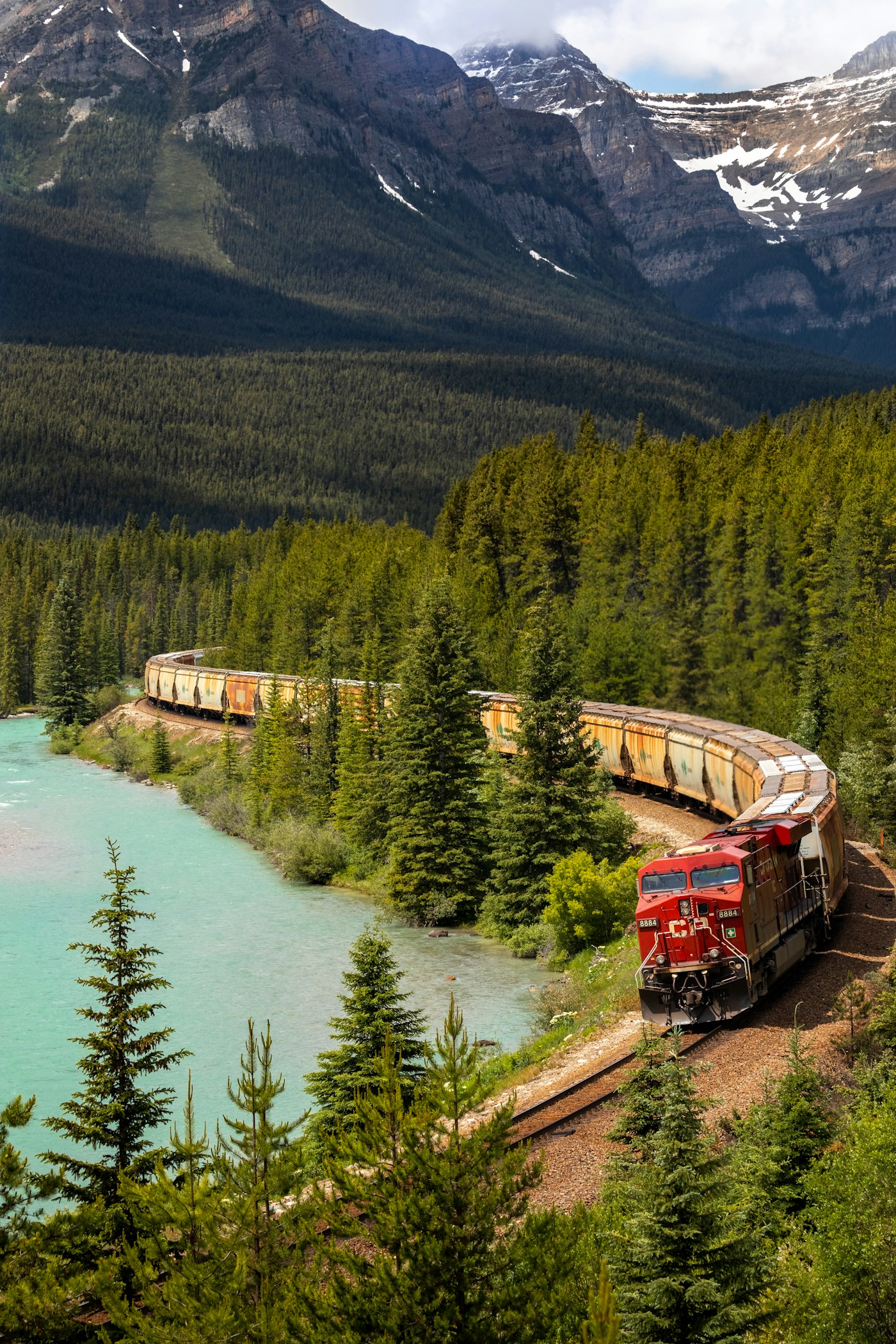
Rail + Road Multimodal Integration
Pre-carriage to the departure terminal and road transport from the arrival terminal to the consignee are planned. Vehicle schedules are coordinated with terminal acceptance hours and current train information.
- Terminal–factory road connections
- FTL and LTL highway integration
- Minivan and Time Critical land solutions
- Transfer and cross-dock operations
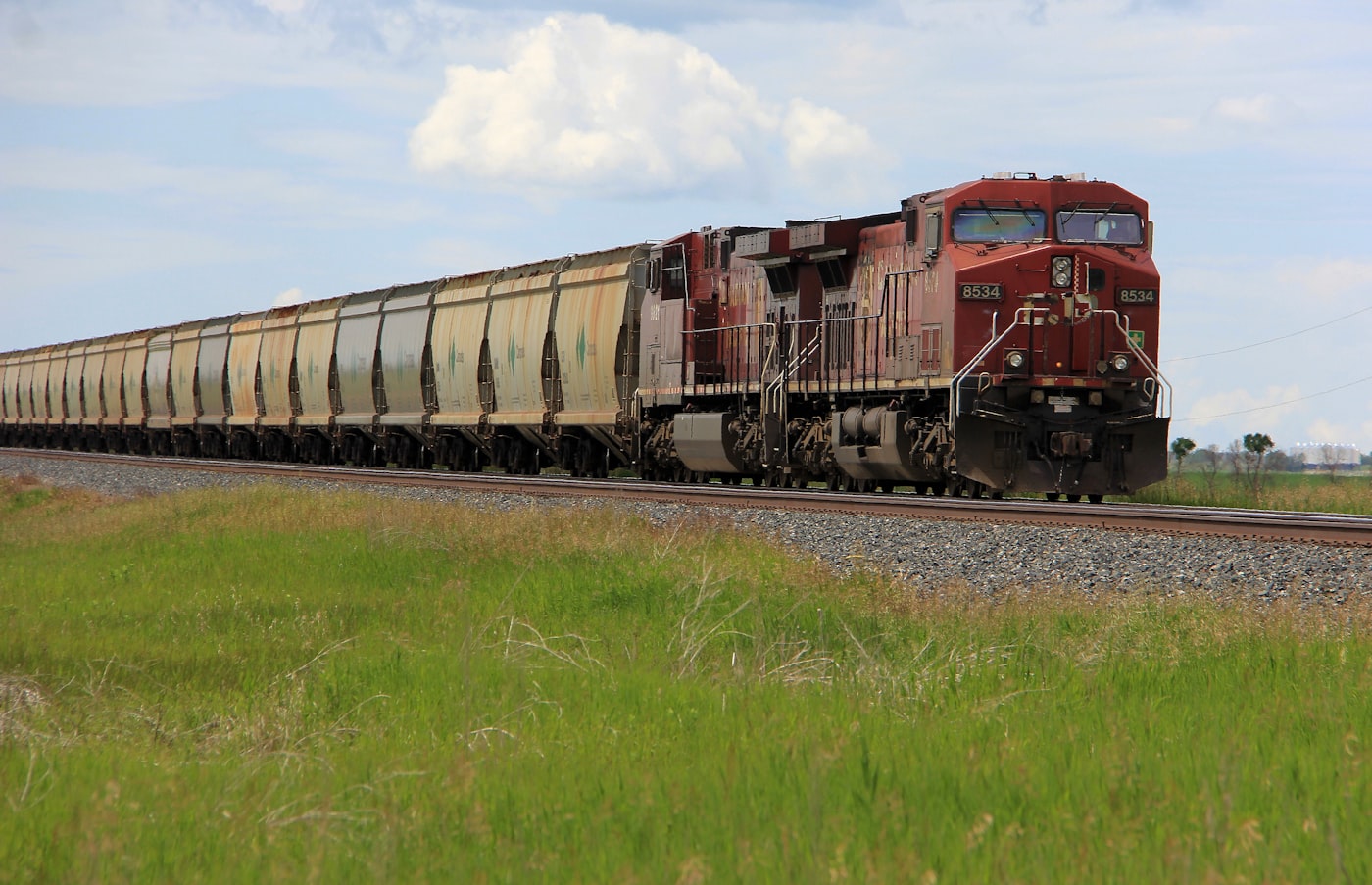
Container and Wagon Based Transportation
Containers or wagons are selected according to the cargo’s dimensions, weight, packaging and loading method. Equipment suitability and special cargo acceptance conditions are confirmed with the relevant operator.
- Container based transportation
- Open and closed wagon solutions
- Heavy and bulky loads
- Project based railway transportation
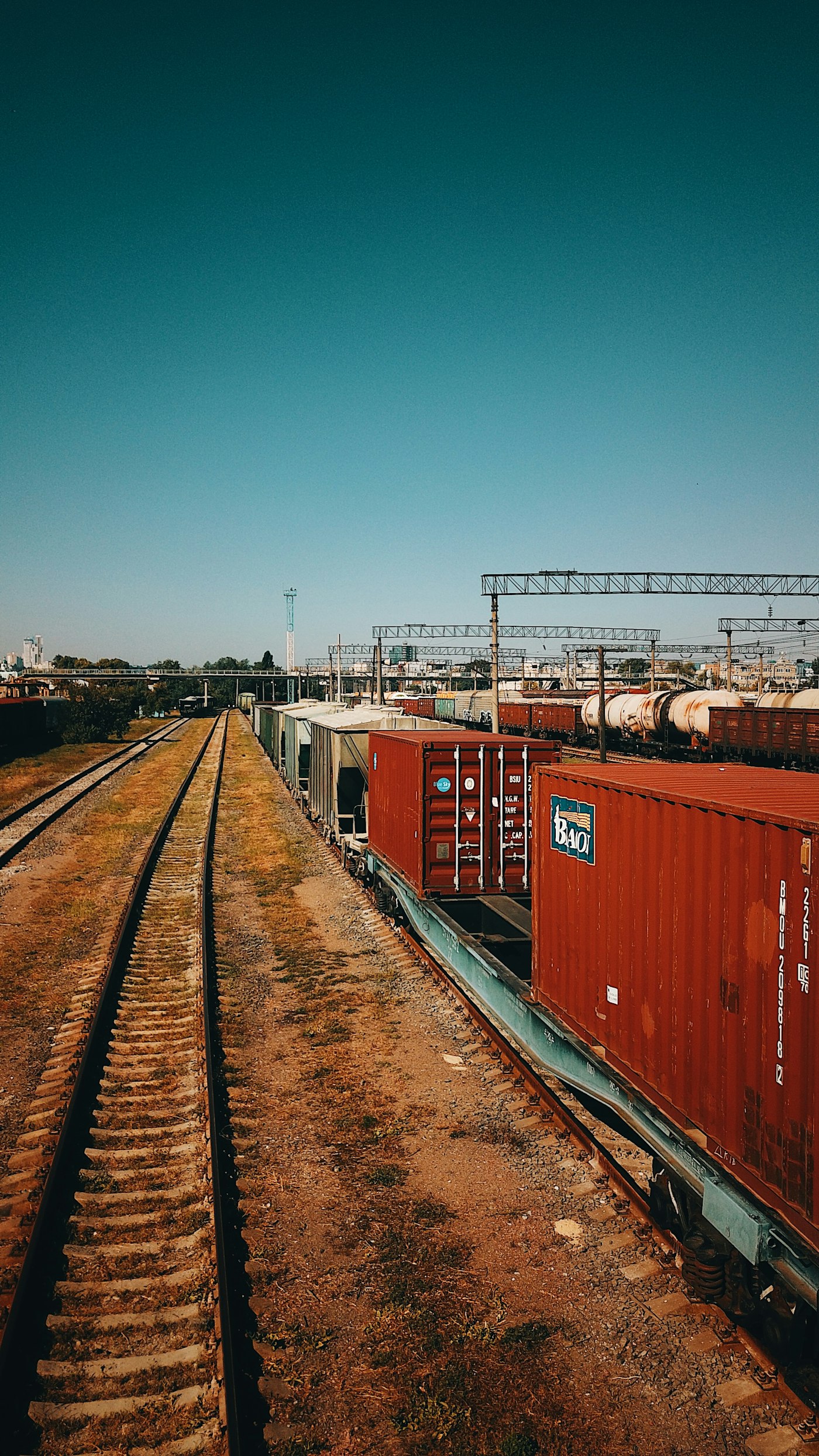
Customs and Transit Management in Railway Transportation
Transit and customs requirements are assessed with a licensed customs representative based on route and product information. The transport plan is updated according to the status of terminal procedures and border crossings.
- Transit regimes and T1/TIR operations
- Transshipment and terminal customs procedures
- Import and export customs clearance
- Legislation and regulation compliance
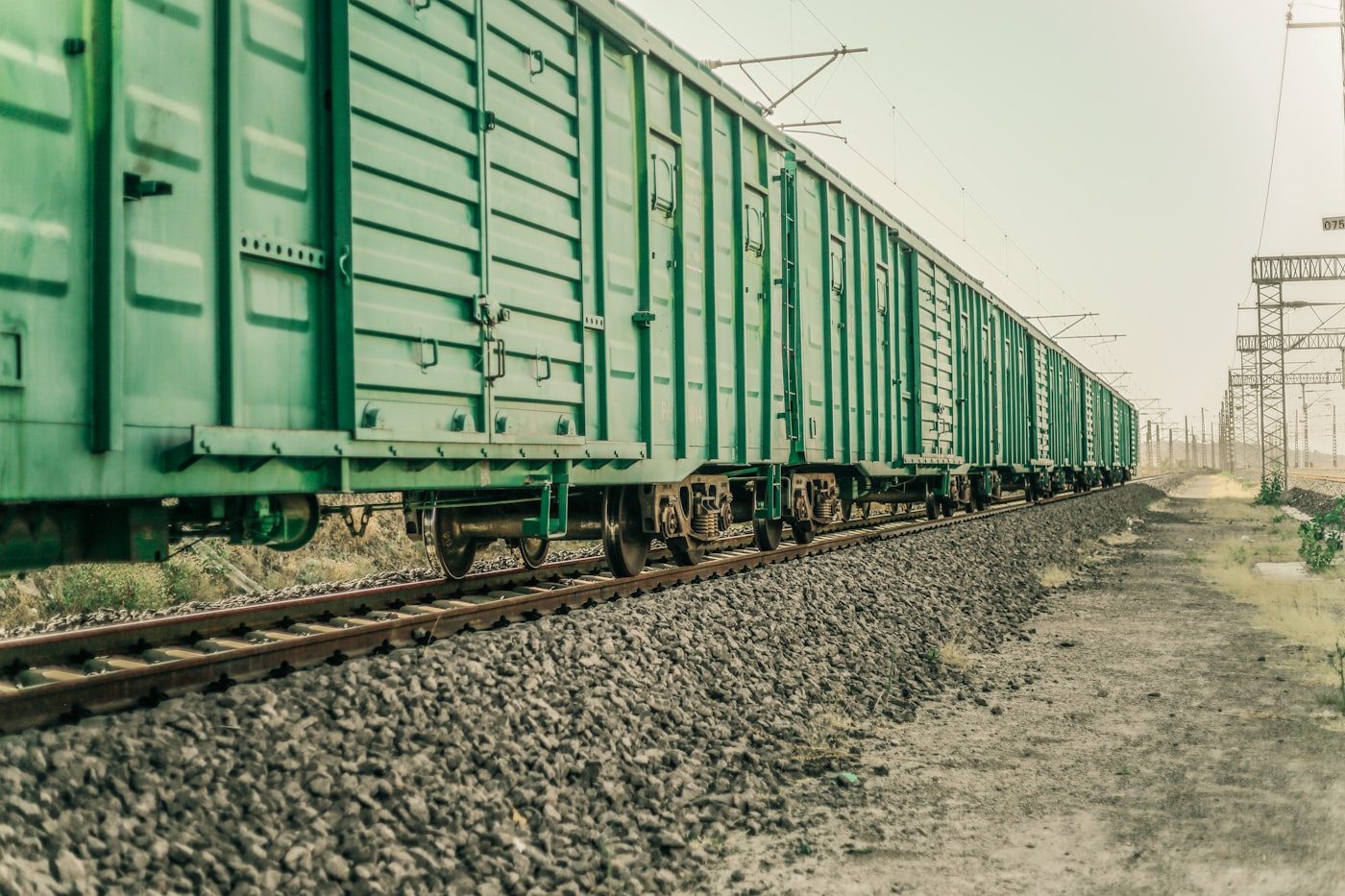
Sustainability and Carbon Footprint
Environmental assessments should account not only for the rail leg but also for terminal access and other transport connections. Route and cargo data are used to define a comparable scope of assessment.
Planning objectives
- Reduce carbon footprint
- Contribution to ESG goals
- Long-term environmental strategies
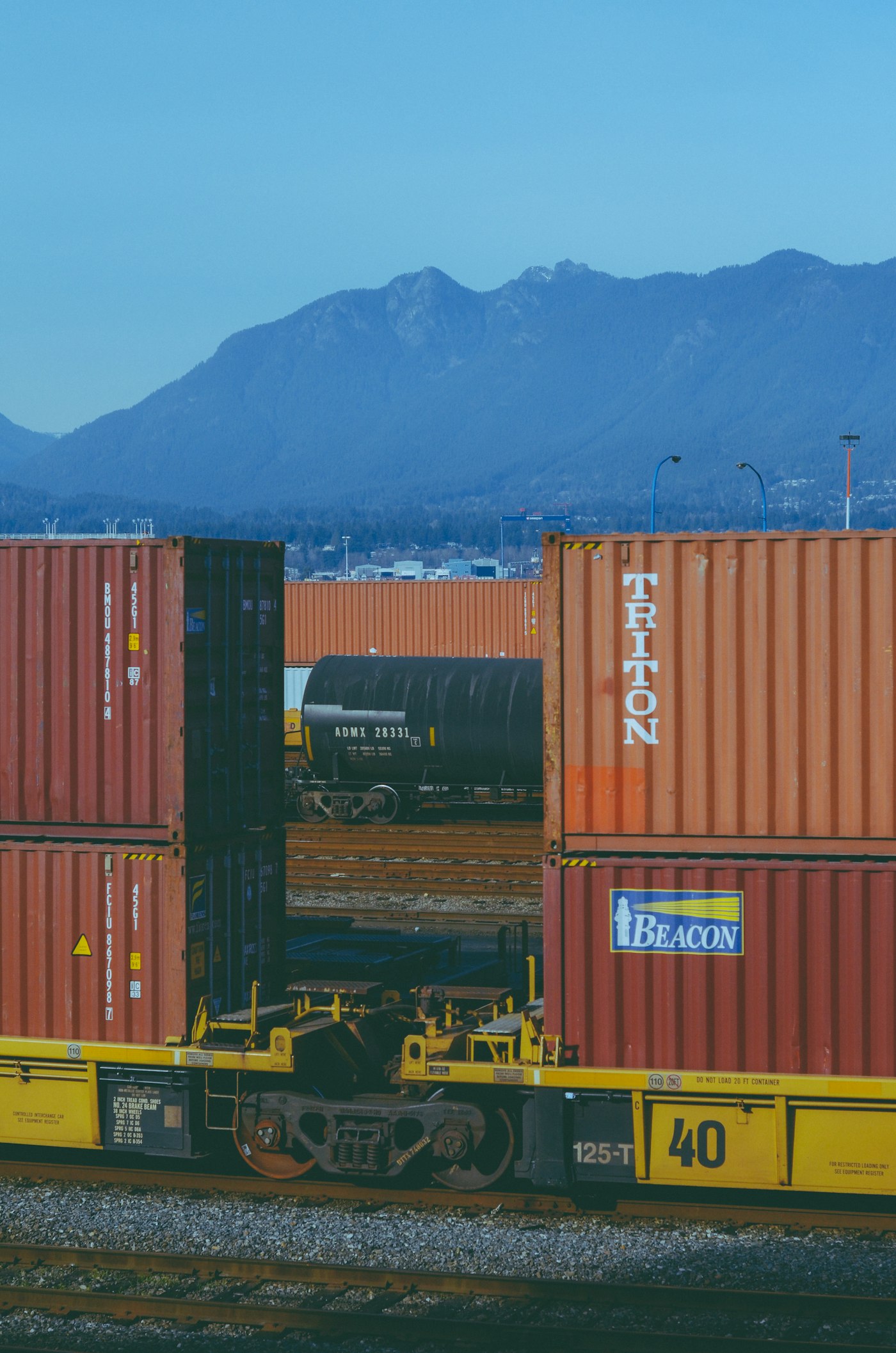
Risk and Crisis Management
Rail network congestion, terminal delays and route changes may affect connections. Alternative transport modes are assessed against current capacity and the overall delivery plan.
- Line densities
- Terminal delays
- Regulation changes
- Geopolitical influences
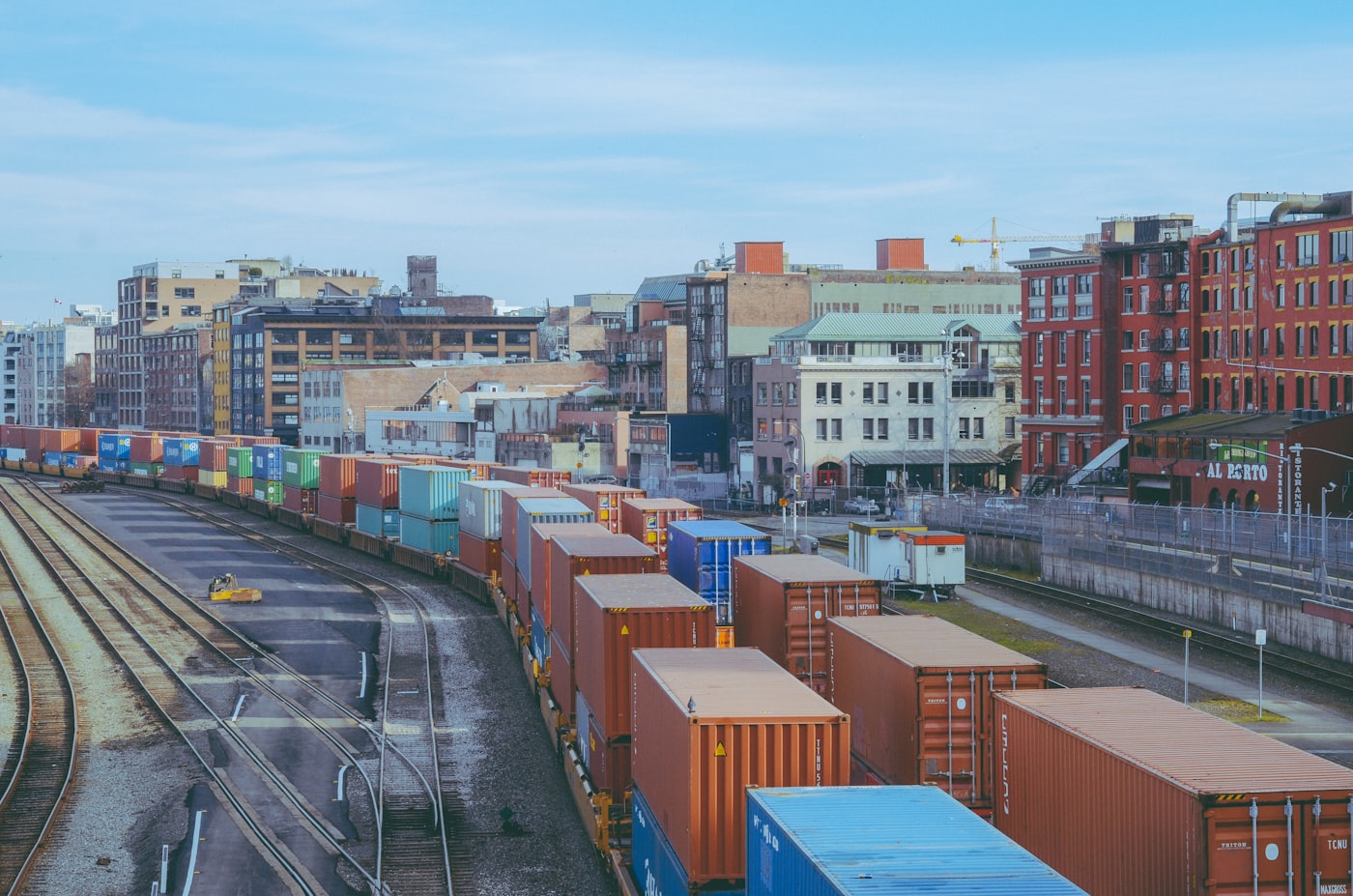
Operational Transparency and Traceability
Shipment status, terminal movements and estimated arrival information are shared with the relevant parties. These updates also cover the impact of connection changes on delivery timing to the consignee.
- Shipment status
- terminal crossings
- Transit times
- Possible delays
Why Avemes for rail freight?
A rail connection delivers value when terminal access and onward transport are also planned.
Certificates- Route selection with terminal access in mind
- We compare corridors on more than rail transit time. We also assess road connections to departure and arrival terminals, equipment suitability and available capacity.
- Clear responsibilities at handovers
- We clarify each party’s responsibilities for terminal acceptance, equipment handover and transport documents. We plan connection times accordingly.
- Onward transport aligned with the schedule
- We adjust vehicle plans at destination as train and terminal information changes. We coordinate delivery to the recipient based on the latest estimated arrival.
Rail freight process
We combine rail services, terminal operations and road connections in a single shipment schedule.
Corridor and terminal selection
We assess origin and destination points, cargo characteristics and delivery requirements. We identify suitable rail corridors and terminal connections.
Capacity and connection planning
We confirm wagon or container availability, service schedules and capacity. We plan pre-carriage, transfers and onward transport.
Loading and terminal acceptance
We check packaging, securing, documentation and any required sealing. We coordinate delivery to the terminal and acceptance for rail transport.
Service and transfer tracking
We monitor train movements, terminal transfers and estimated arrival times. Changes to connections are reflected in the onward transport plan.
Arrival and onward transport
We coordinate arrival terminal procedures and required customs steps. We follow up on road transport to the recipient and delivery confirmation.


Result: Balanced Chain, Strong Operation
Rail cargo transportation, when designed correctly, brings stability, cost advantage and sustainability to the supply chain. Avemes Logistics makes your chain more balanced, more predictable and more durable with its railway solutions. Railway cargo transportation with Avemes; It is based on stability, efficiency and integrated logistics.