Logistics Insights ·
Transfers and route dependencies in rail and multimodal transport
Assess route alternatives not just on the map, but also in terms of shared terminals, equipment compatibility and operational handover conditions.
Avemes Editorial
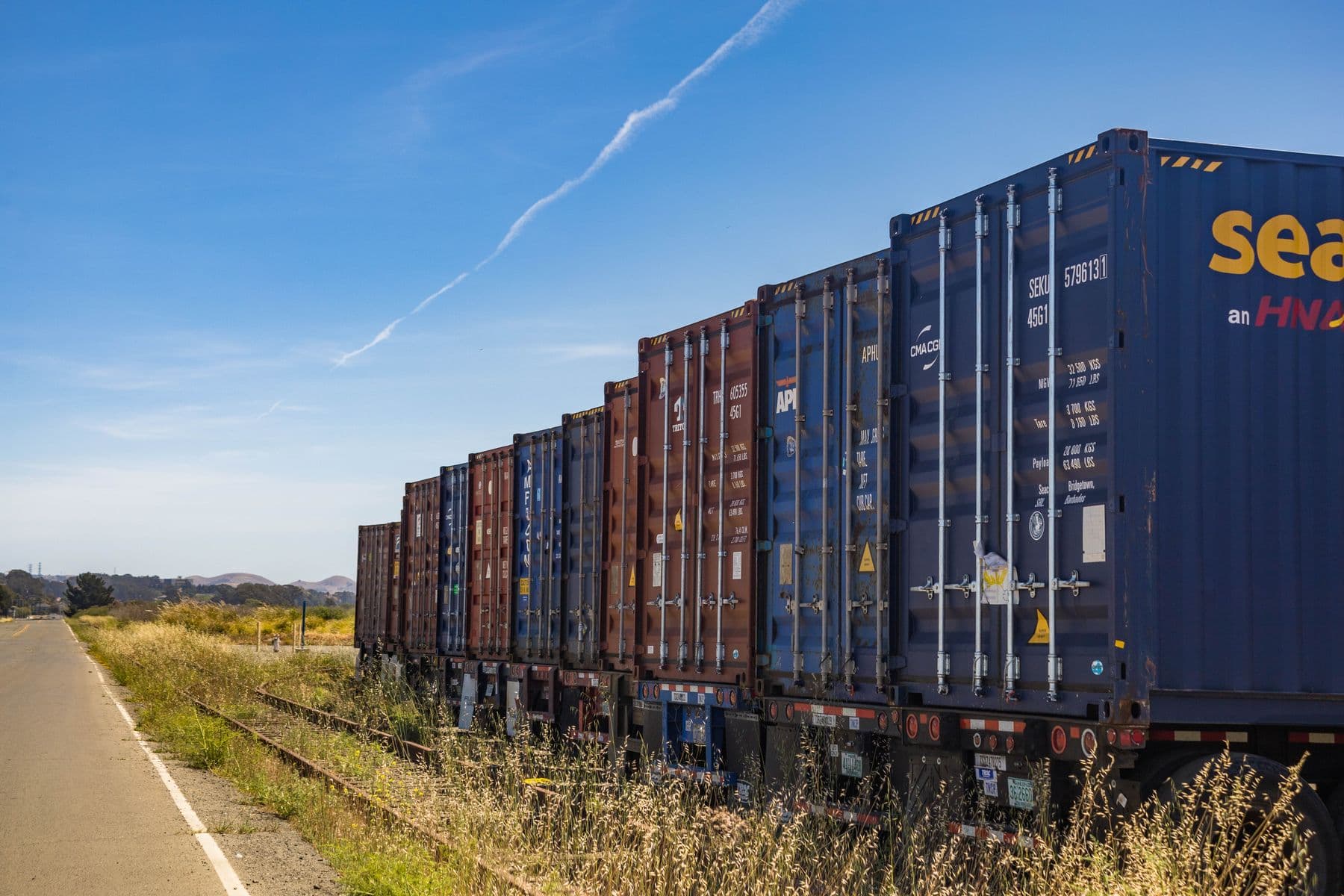
Assess the route as a network of connections, not a line
In rail and multimodal transport planning, selecting the route between origin and destination is only part of the decision. For shippers, the key question is where the shipment will be handed over to another operation and how the plan will change if one of these connections becomes unavailable.
Eurostat’s freight transport analysis notes that the use of transport modes varies between countries and is influenced by the transport options available. National modal shares should therefore not be interpreted as evidence of a particular terminal’s capacity or a particular service’s suitability. Source: Eurostat, freight transport by mode.
Our planning recommendation is to examine the route separately in terms of terminals, border crossings, rail connections and the final delivery leg. This ensures that the purchasing decision is not based solely on the main carriage price; it also makes clear where the operation depends on other conditions.
Prepare an operational profile for each transfer point
Create a brief record with the same questions for each terminal or handover point:
- In what transport unit will the cargo arrive, and what equipment will be used to transfer it?
- What are the terminal acceptance conditions, booking requirements and document submission deadline?
- If the incoming transport is delayed, how will the next connection be rescheduled?
- Under what conditions will waiting, storage and rehandling charges arise?
- Who will monitor the operation, and who will approve changes?
Eurostat explains that standard transport units allow transfers between different transport modes without unloading the cargo itself. However, do not interpret this to mean that every container or semi-trailer is compatible with every service; confirm equipment and acceptance conditions with the operator. Source: Eurostat, freight transport using transport units.
Include these profiles when comparing quotations. For a shipment between Türkiye and Europe in particular, ask for the quotation scope to specify not only the departure and arrival terminals but also the operational handovers in between.

Look for shared dependencies between seemingly different routes
Apply this test when assessing alternative routes: if a critical point in the main plan becomes unavailable, can the backup plan actually work? If a quotation from another carrier uses the same terminal or the same rail section, it should not be considered an independent option for a disruption affecting that point.
In a dependency table, list the terminals, infrastructure, equipment supply, border crossings and last-mile connections of the main and alternative plans side by side. Mark the shared points. Then specify which problem the alternative is designed to address: terminal access, equipment availability or the main carriage connection.
Eurostat’s modal shares are aggregate activity indicators based on the weight transported and distance travelled; they do not measure the availability of alternative routes for a specific shipment. Do not therefore treat these data as a substitute for operational backup capacity. Source: Eurostat, calculating modal shares.
Select the load unit and connecting legs together
Eurostat covers transport units such as containers, swap bodies and semi-trailers within the scope of intermodal transport. For shippers, the planning question this raises is whether the selected unit can be used not only on the main route but also on the origin and destination connections. Source: Eurostat, intermodal transport units.
When assessing the rail freight option, therefore, review loading-site access, pre-carriage to the terminal and unloading facilities at the delivery point in the same planning file. Aim to structure the multimodal transport plan as an integrated operation with defined handover conditions, rather than as separately purchased transport legs.

Define the trigger for activating the backup plan in advance
Do not merely record the name of an alternative route. Define which event will trigger a review of the plan, who will confirm capacity and who will approve additional costs. For cargo critical to production, also consider sending only the critical items via a different option rather than changing the entire shipment.
Eurostat’s containerisation indicators describe the use of this form of transport; they do not show that a particular shipment will be transferred without problems. Source: Eurostat, scope of containerisation indicators. Reconfirm the service, equipment and terminal acceptance before making the final decision. The aim is not to promise uninterrupted performance, but to make dependencies visible and prepare viable decision options in the event of disruption.
Sources
Analysis and translations: Avemes Editorial. Source institutions are not responsible for this analysis or its translations.
- Freight transported in containers - statistics on unitisation — Eurostat; n.d.; 2014-2024. CC BY 4.0
- Freight transport statistics - modal split — Eurostat; n.d.; 2014-2024. CC BY 4.0